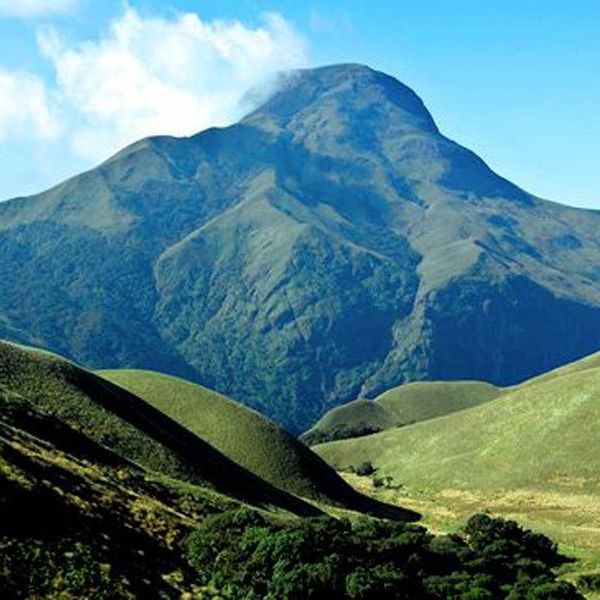
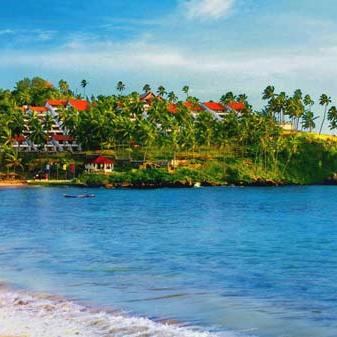
Kerala is a state like no other; it is characterized by lush greenery with evergreen forests. Its 70% humidity, suitable soil conditions and climate contribute to biological wealth. From the mountains and valleys, to the beaches, and to the backwaters, Kerala’s geography is vast and diverse.
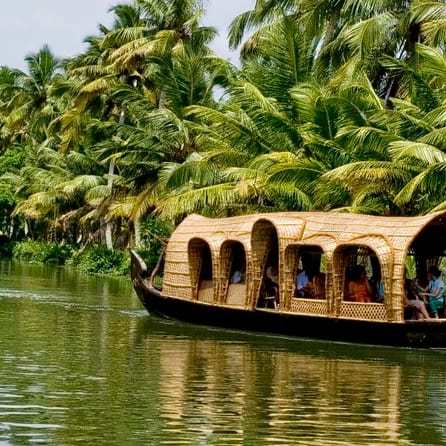
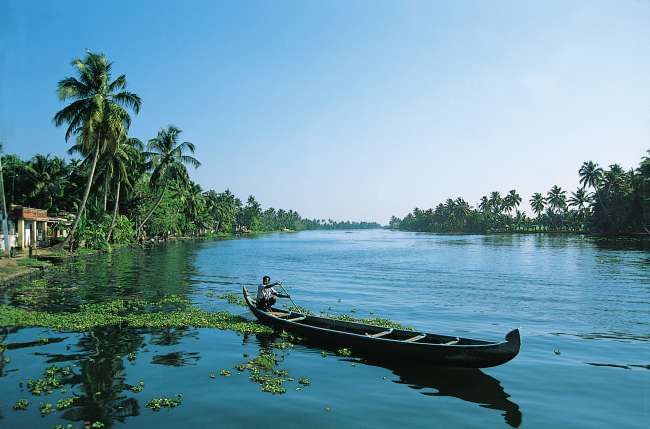
Backwaters are unique to the state of Kerala. They consist of over 900 km of rivers, lakes, canals, estuaries, and more that meet the Arabian Sea. 27 backwaters are connected to the sea, with seven being used for transport. The backwaters are a large source of fresh water and full of biological diversity.
Biodiversity is a state priority, as exemplified by Kerala being the first state in India to establish Biodiversity Management Committees (BMC) in local self-government institutions. Prior to Carolus Linnaeus, the father of Modern Botany, “Hortus Malabaricus” was published on the plants of Kerala. Approximately 22% of overall biodiversity in India is found in Kerala. There are five national parks and 14 sanctuaries in Kerala, which encompasses 6% of the state’s land.
“Land of Spices” is the colourful moniker given to Kerala. The spice trade dates back to thousands of years with Musiris as the hub of trade in Kerala. Today, spices still have a large presence in Kerala’s economy and the international market. Some of the many spices include clove, cinnamon, turmeric, and nutmeg.
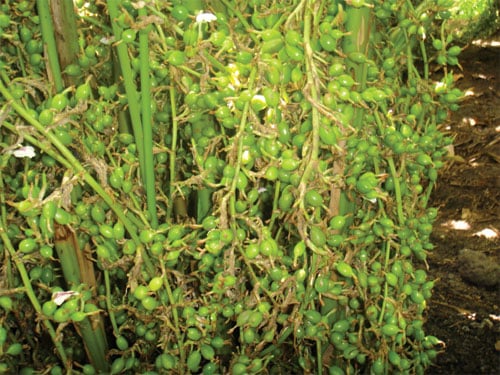
Cardamom 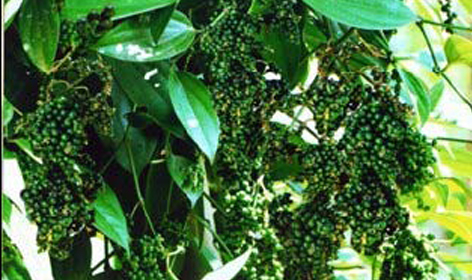
Pepper 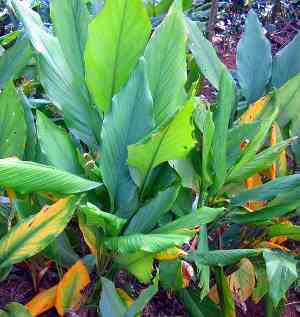
Turmeric 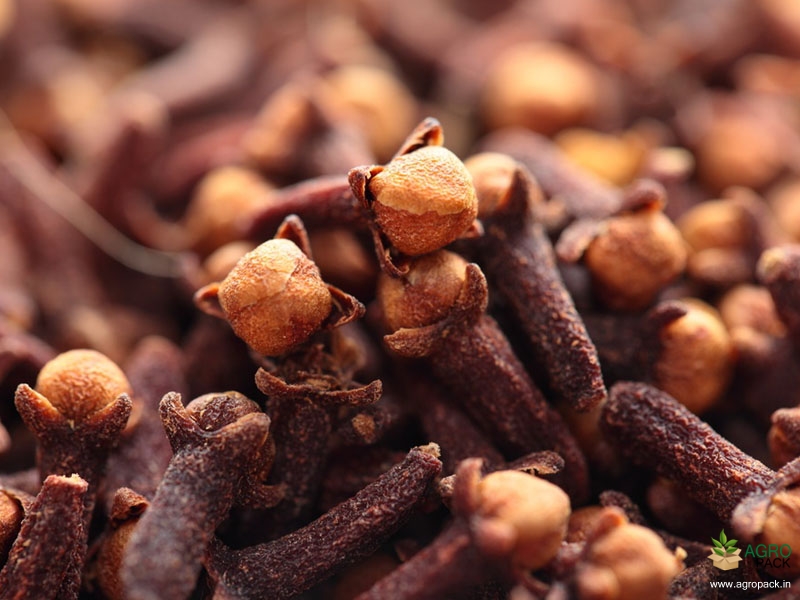
Cloves 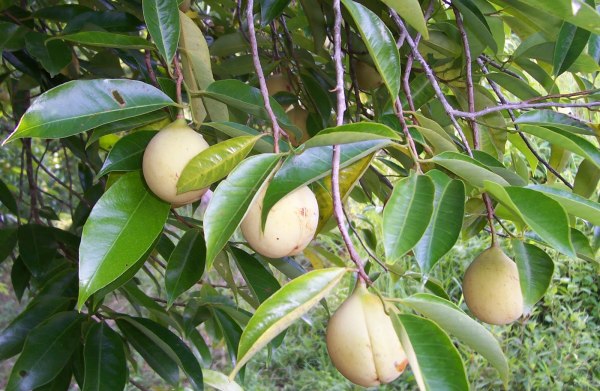
Nutmeg
Western Ghats are mountain ranges in the South-West of India. They are designated as one of the world’s eight “hottest hotspots” of biodiversity. The forests contain many endemic species: 54% of the 650 tree species; 65% of amphibians; 62% of reptiles; 53% fishes. They also are the home of globally threatened “landscape” species such as the Asian elephant. The lion-tailed macaque and Nilgiri tahr are only found in Kerala’s forests.
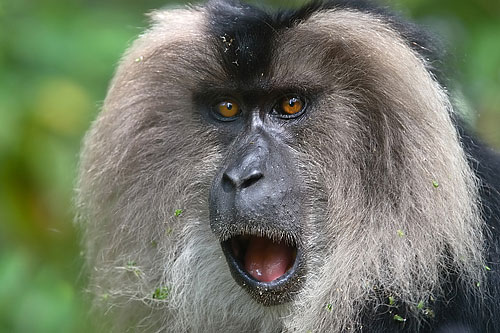
Lion tailed macaque 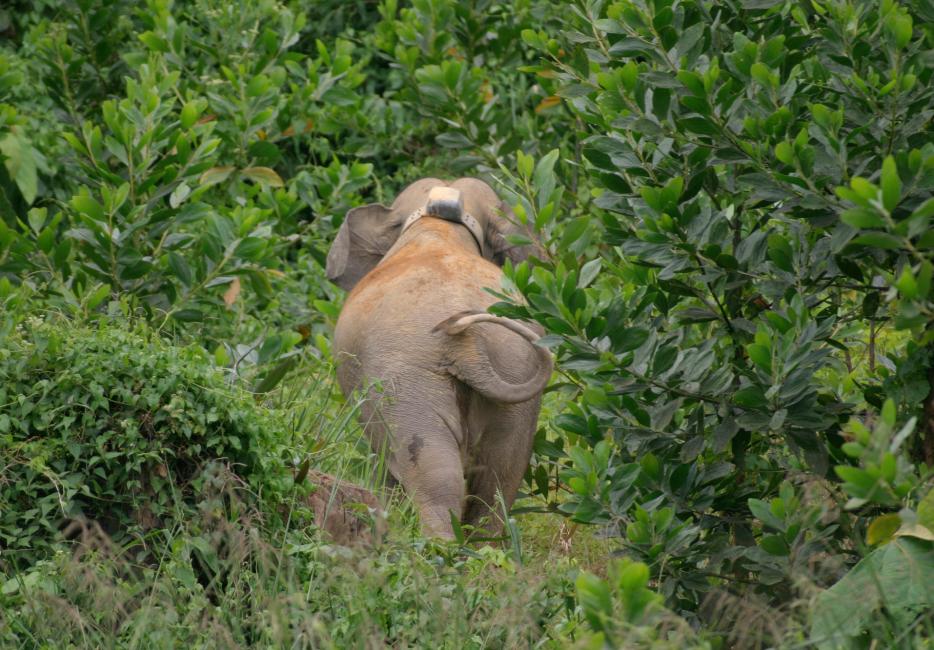
Asian elephant 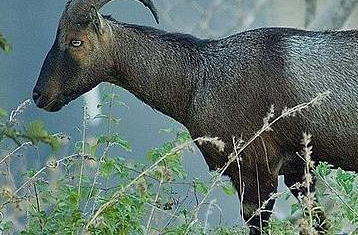
Nilgiri tahr
Dams have a substantial presence in Kerala; with 44 rivers, there are 58 dams regulating the flow of water. 57% of Kerala’s dams are operated by the irrigation department for electric and irrigation purposes. Hydropower contributes to a large portion of Kerala’s energy source.
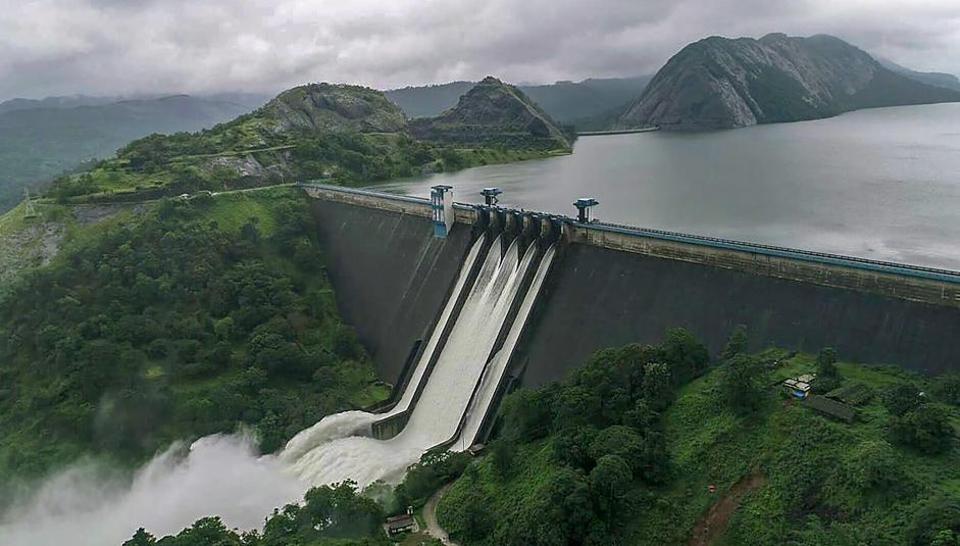
The Idukki arch dam stands between two mountains, Kuravanmala and Kurathimala. It is one of the tallest arch dams in Asia and is used for power generation. The recent heavy rainfall in Kerala marks the first instance in history when all of the gates were opened. Dams are only effective against floods if the reservoir was initially empty; however, Idukki had nearly high levels of water before the rainfall so the dam was forced to release water.
Links for more information:
https://www.keralabiodiversity.org/
http://www.kerenvis.nic.in/Database/BIODIVERSITY_824.aspx
https://www.kfri.res.in/forest_ecology_and_biodiversity_conservation.asp
https://whc.unesco.org/en/list/1342
https://wwf.panda.org/knowledge_hub/where_we_work/western_ghats/
https://www.wwfindia.org/about_wwf/critical_regions/western_ghats2/about_the_western_ghats/
http://forest.kerala.gov.in/index.php/wildlife/world-heritage-site
http://www.silentvalley.gov.in/
http://forest.kerala.gov.in/index.php/wildlife/2015-03-16-09-50-24/national-parks
Picture credits:
https://www.thrillophilia.com/kerala-backwater-tour
https://www.visittnt.com/kerala-tours/beaches-kerala-attraction.html
http://www.conservationindia.org/wp-content/files_mf/1317821754LTM2mouthopenfiltered.jpg
https://www.wwfindia.org/about_wwf/priority_species/threatened_species/nilgiri_tahr2/
https://www.wwf.org.uk/wildlife/asian-elephants
http://www.kerenvis.nic.in/Database/Backwaters_2281.aspx
http://www.agropack.in/agropack_plantinnerdetails.php?catid=91-155&itemid=283


