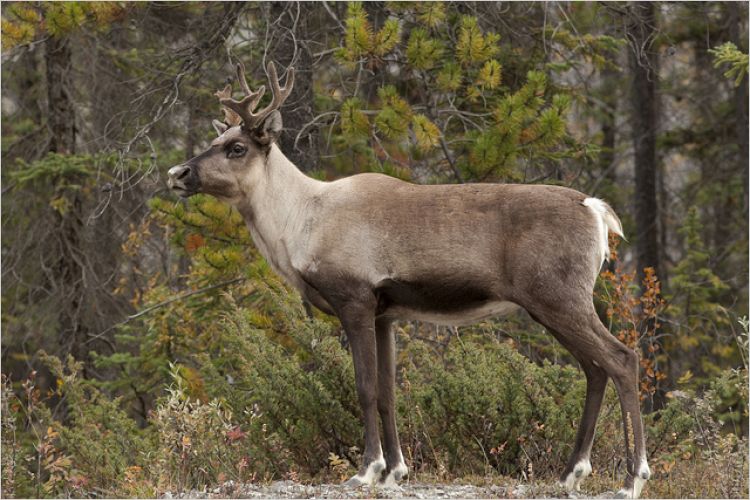
The Alberta Biodiversity Monitoring Institute (ABMI) records wildlife changes in order to produce up-to-date data. The institute is not affiliated with the government or any industrial organization. The information published is scientifically credible, as it is reviewed by a panel of experts.
The institute is currently monitoring 3205 species.
Medium to large-sized animals are monitored via remote cameras, with the goal of producing a dataset on how many times a species appears. These cameras are placed in squares about 600 m apart in terrestrial and wetland areas.
ABMI recruits community involvement through a program called, “Hands On Alberta.” This program incites people to contribute to the tracking of hare color change by uploading hare sightings to the app, NatureLynx.
An essential part in conserving biodiversity is monitoring considerable changes. ABMI created a “biodiversity intactness index;” for example, 100% intactness indicates that the quantity of boreal chickadees and coyotes is the same as in an untouched area while declining intactness is due to human activity.
Alberta Population: 4.307 Million
Alberta Area: 661,848 km²
(That is 6 ½ people per square kilometer)
There is over 210000 km2 of agricultural land.
There are five national parks in Alberta- Banff, Elk Island, Jasper, Waterton Lakes, and Wood Buffalo.
- Banff: 6,641 km2
- Jasper: 10,878km2
- Waterton: 505 km2
- Wood Buffalo: 44,807 km2 (81% in alberta, 19% in NWT) Largest Park in Canada
- Elk Island: 195 km2
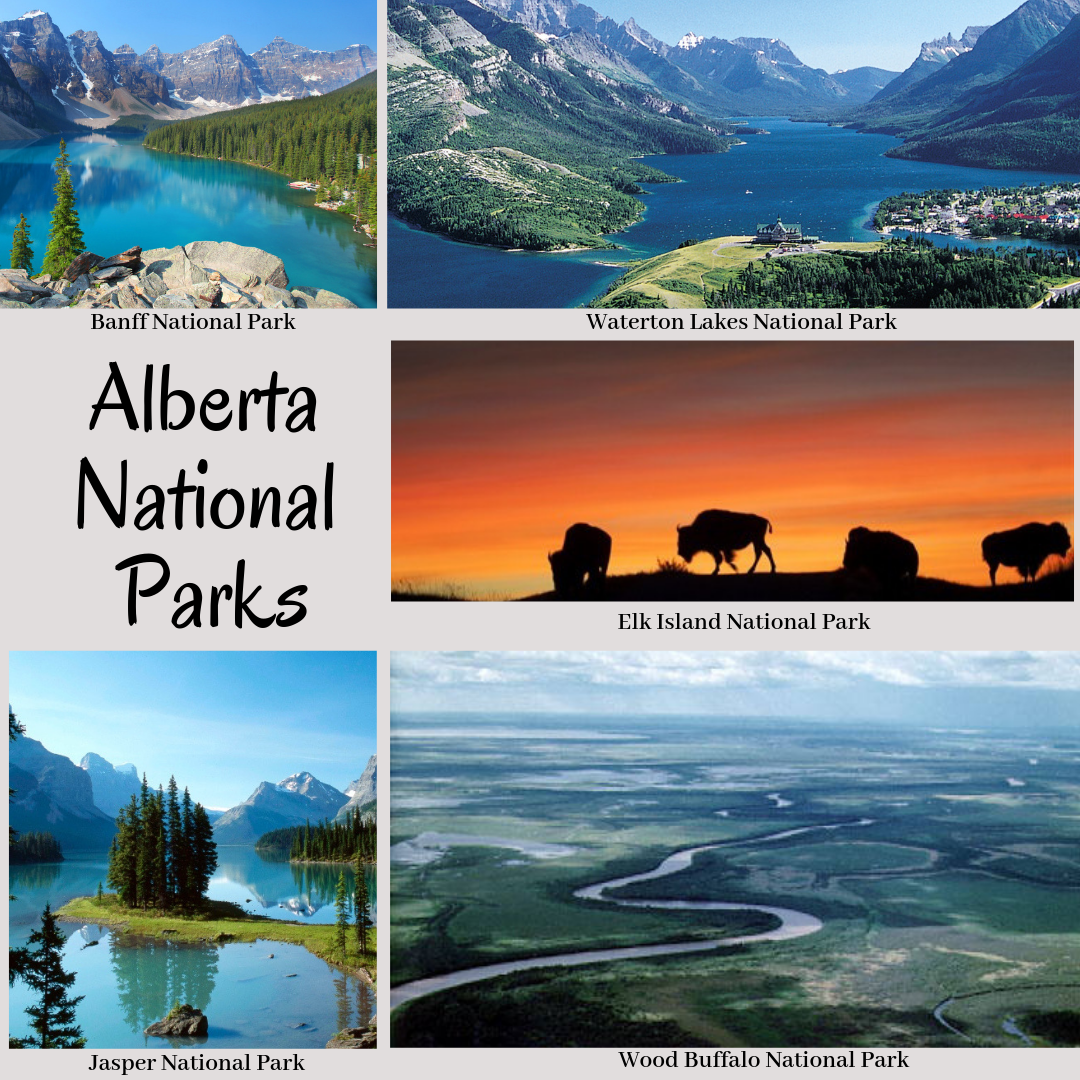
Banff was Canada’s first national park in 1885 and is currently a UNESCO World Heritage Site. Banff uses an ecosystem based management method, whereby the frame of reference is the whole ecosystem, rather specific species or communities. Fires change the park’s pattern of vegetation, and thus are a vital part of the landscape. In the past, fire was viewed to be something destructive and were frequently extinguished. This resulted in forests with decreased diversity, which renders them to be more vulnerable to various insects, diseases, and wildfire. Currently, Parks Canada is working to re-establish fires into the ecosystem.
Provincial Parks
There are over 500 provincial park sites, covering more than 27, 525 square kilometers
Total Park Land
- Over 90, 551 square kilometers of parkland.
This province has 6 major ecosystem types called Natural Regions which support an enormous variety of plants and animals.


The Boreal Natural Region is a huge northern region covering 381,000 km2 or 58% of the province.
Trees:

Fauna:

Canada Lynx and Snowshoe Hare
Characteristic species: Bog Cranberry, Round-leaved Sundew, Palm Warbler, Bay-breasted Warbler, Canada Lynx, Snowshoe Hare, Arctic Grayling, Canadian Toad
The Canadian Shield Natural Region occupies an area of 9,719 km2 (or 1.5% of Alberta) in the northeastern corner of Alberta.

Characteristic species: Bearberry, Labrador Tea, lichen communities, Bonaparte’s Gull, Common Tern, Boreal Chickadee, Moose, Beaver, Gray Wolf, Canada Lynx, Wood Frog, Canadian Toad, Northern Pike, Walleye, Shortjaw Cisco.

The Foothills Natural Region is a zone of mixed deciduous and coniferous forests, rolling fields and rocky outcrops covering approximately 66,000 km2 or 10% of the province.


Characteristic vertebrate species: Pileated Woodpecker, Flying Squirrel, Red Squirrel, Cougar, Elk, Bull Trout.

The Grassland Natural Region occupies almost 96,000 km2, or 14% of Alberta stretching from the Rocky Mountain foothills in the west to the Saskatchewan border to the east.


Characteristic species: Prairie Crocus, Prairie Coneflower, Baird’s Sparrow, Sprague’s Pipit, Chestnut-collared Longspur, Richardson’s Ground Squirrel, Porcupine, Mule Deer, White-tailed Deer, Pronghorn Antelope, Spadefoot Toad, Northern Leopard Frog, Wandering Garter Snake.

The Parkland Natural Region occupies approximately 61,000 km2 or 10% of Alberta, forming a broad transitional band between the Grassland Natural Region to the south, and the Boreal Natural Region to the north.


Characteristic Species: Trembling Aspen, Prickly Rose, Saskatoon, White-tailed Deer, Coyote, Snowshoe Hare, Blue Jay, Northern Flicker, Plains Garter Snake

The Rocky Mountain Natural Region stretches for over 700 km along Alberta’s western border covering approximately 49,000 km2 (7.4% of the province).


Characteristic vertebrate species: Gray-crowned Rosy Finch, Varied Thrush, Clark’s Nutcracker, Townsend’s Warbler, Mountain Goat, Bighorn Sheep, Hoary Marmot, Pika, Grizzly Bear, Woodland Caribou (Central Mountain Designatable Unit), Long-toed Salamander, Westslope Cutthroat Trout
Insects
There are about 20,00 species of insects in Alberta
Top 5 Animals to See
Grizzly bears
Approx 691 Grizzlys reside in Alberta.
Bighorn Sheep
Alberta is home to about 10,000 bighorn sheep
Bison

Bison went extinct in 1858, and where reintroduced in 2018 with 31 individuals.

Reptiles of Alberta

Western Wood Lilly

Alberta Wild Rose
Agriculture in Alberta
Alberta is Canada’s Agricultural producer
Alberta Crops:
- Wheat, Barley, Canola
Alberta Livestock:
Grassy Lakes
- Cattle, hogs, sheep, goat, deer, elk, reindeer, bison


Northern Lights

ALBERTA OILSANDS
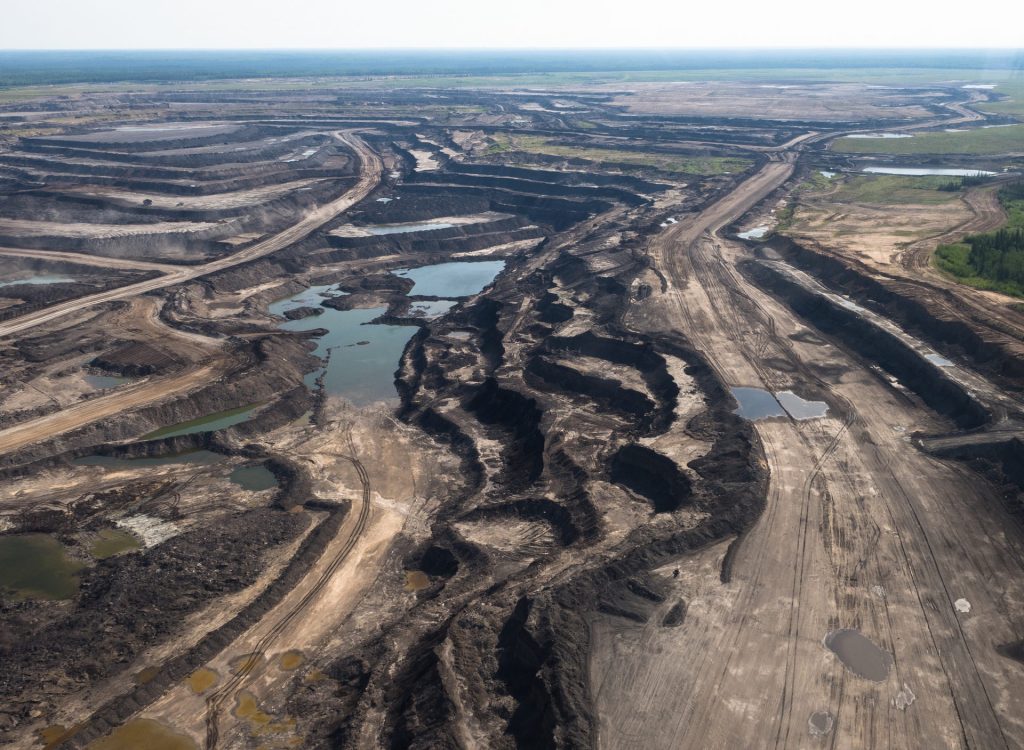
Oil sands are a mixture of water, clay, sand, and bitumen oil. The bulk of bitumen is found underground. It has high viscosity at room temperature so it cannot flow without being heated or diluted.
The oil sands are a vital part of Canada’s economy. They spur the creation of thousands of jobs, not only within Alberta but all across Canada. In 2017, the oil sands provided the oil and natural gas industry with approximately $13 billion.
Oil sands are a mixture of water, clay, sand, and bitumen oil. The bulk of bitumen is found underground. It has high viscosity at room temperature so it cannot flow without being heated or diluted.
The oil sands are a vital part of Canada’s economy. They spur the creation of thousands of jobs, not only within Alberta but all across Canada. In 2017, the oil sands provided the oil and natural gas industry with approximately $13 billion.
Check out these sites for more information:
https://www.canadasoilsands.ca/en/what-are-the-oil-sands
https://www.pc.gc.ca/en/pn-np/ab/banff/info/gestion-management/enviro/approche-eco-mgmt
Click to access alberta-parks-protected-areas-provincial-map-2016-02.pdf
https://www.pc.gc.ca/en/pn-np/ab/banff/decouvrir-discover/faune-wildlife
https://www.abmi.ca/home/biodiversity/biodiversity-in-alberta.html
http://www.insectsofalberta.com/main.htm
https://www.pc.gc.ca/en/pn-np/mtn/ours-bears/generaux-basics/grizzli-grizzly
http://www.albertawow.com/wildlife/Bighorn%20Sheep/bighorn%20sheep.htm
Click to access aca_reptiles_of_alberta.pdf
http://www.albertawow.com/wildflowers/alberta_wildflowers.htm
Agriculture in Alberta
Picture credits:
https://www.woodysrv.com/blog/check-out-banff-national-park/
http://www.experiencemountainparks.com/waterton-lakes-national-park-summer-2018-activities/
https://edmonton.ctvnews.ca/partial-fire-ban-issued-for-jasper-national-park-campsites-1.4444778
http://www.bruderheim.ca/environment/elk-island-national-park.aspx
 International Classroom Connect