The entire state of Kerala represents a gastronomical platter of food.
Situated along the coastline, Kerala has been visited by many foreigners and traders so its cuisine is an amalgamation of different influences. Before the formation of Kerala on November 1st, 1956, the state was composed of Travancore, Kochi, and Malabar districts. Thus, their cooking styles differ. Travancore and Malabar utilize fruits and vegetables that are not typically used elsewhere in India, such as, bitter gourd, plantains, yam, and more.
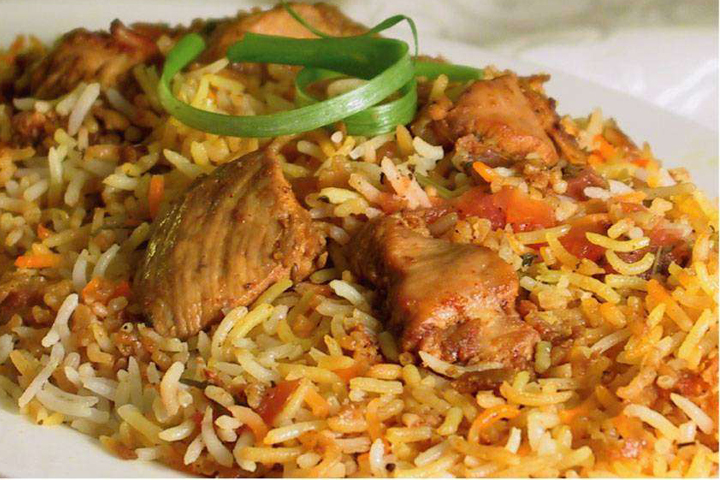
Kerala cuisine is also influenced by three religions, Islam, Christianity, and Hinduism. Muslim, Mappila, food has Arabic influence from the seventh century. They have a special version of biryani, known as “mandi;” layered parottas paired with chicken curry; and stuffed chicken, to name just a few.
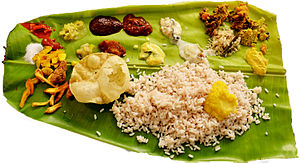
Hindu households host vegetarian feasts, known as “sadya.” It consists of 24-28 dishes specifically placed on a banana leaf, such as avial (vegetable curry), papadum (crispy cracker), and various curries. Sadyas characterize the popular Onam festival.
Syrian Christian dishes also have a prominent position in Kerala, such as chicken food, roast duck, appam, and other non-vegetarian foods.
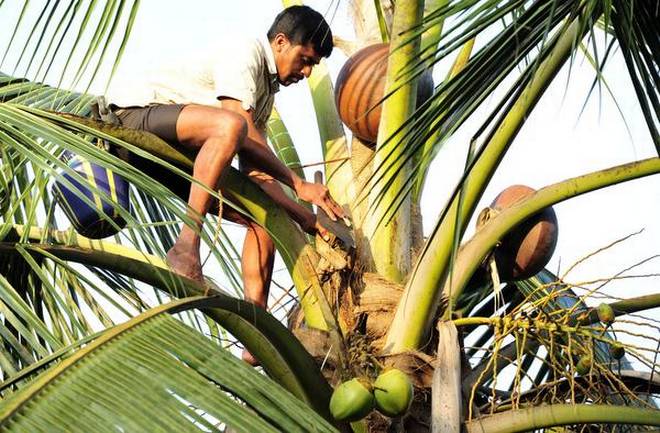
Toddy is Kerala’s Palm Wine. It is an alcoholic drink made from coconut and palm trees. A toddy tapper climbs to the top of a coconut tree and uses a heavy mallet and curved knife to extract the sap. This is a dangerous job because the ropes needed to climb up the tree are slippery and may break. The tapper prays for safety before climbing. Fresh toddy is sweet, and is used in various dishes with rice flour. Twelve hours after collecting the sap, the toddy ferments into a vinegar and becomes sour. Historically, farmers would drink some toddy after coming home from a day of hard labour. During times when there were no crops, people survived by drinking toddy.
Some popular Kerala dishes include…
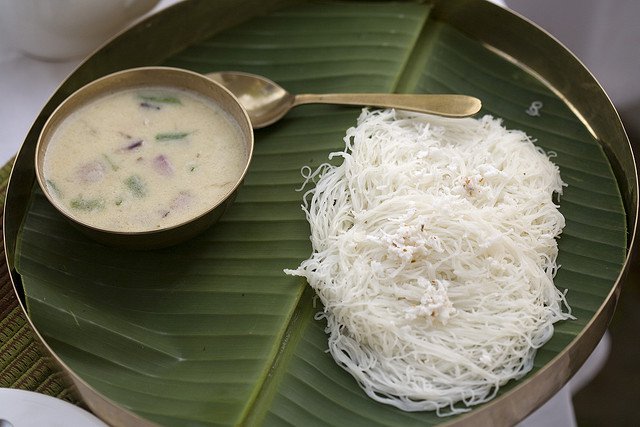
Idiyappam is composed of rice flour, salt and water. It may be likened to sweet vermicelli, all intertwined together.
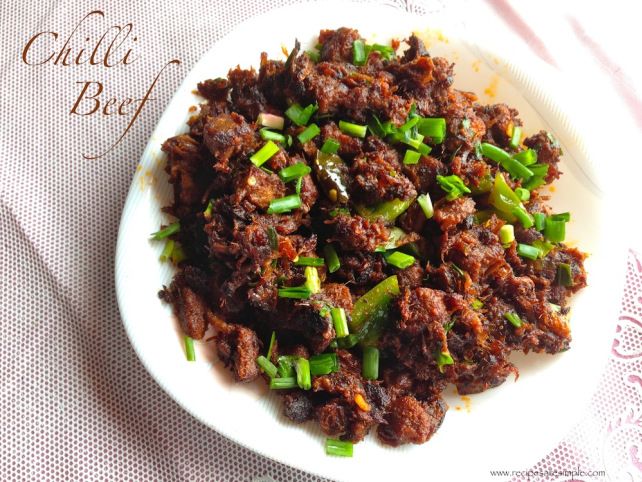
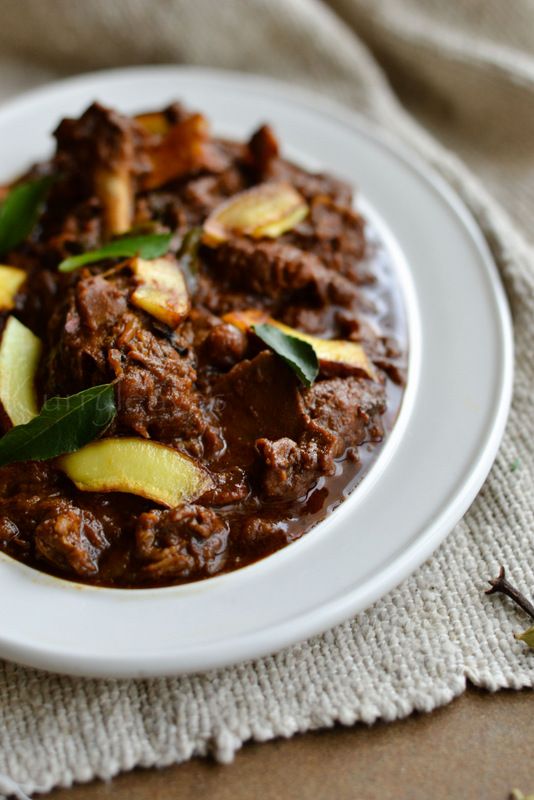
Beef fry is the epitome of Kerala. It combines many spices, ginger, garlic, onion, vinegar, beef, curry leaves, star anis, coconut pieces, and chilli.
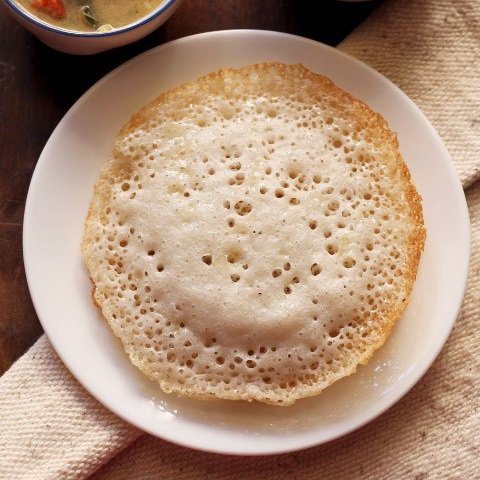
Appam is made of rice and has a soft, fluffy centre with a crispy outside. It may be eaten with different kinds of stew.
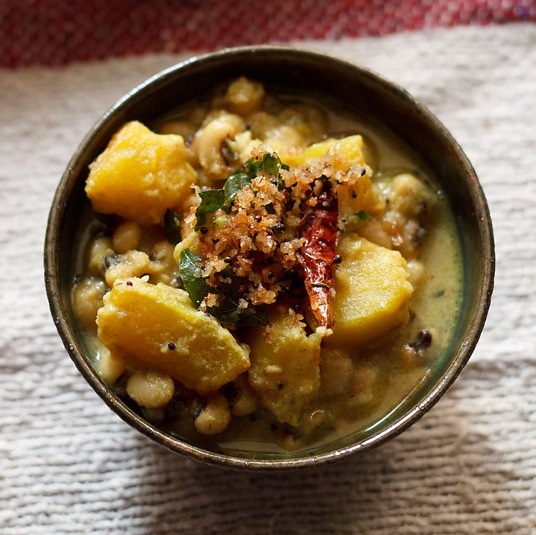
Erissery, known as pumpkin and lentil stew, is one of the main traditional side dishes. It contains spices, coconut, and vegetables.
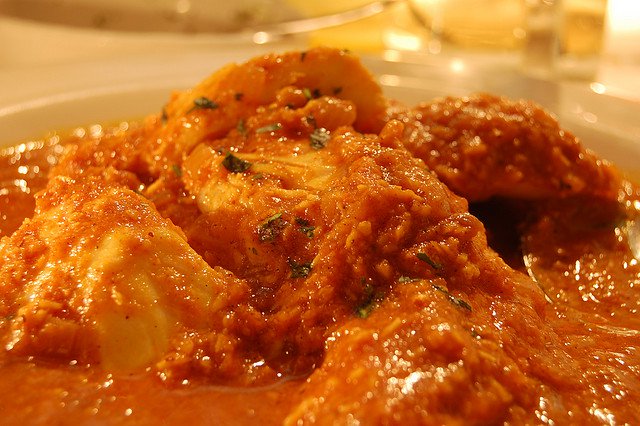
Fish molee is lightly fried fish made into stew in an earthen pot. It is made with traditional ingredients like coconut milk, turmeric, cloves, cinnamon, and fresh green chillies.
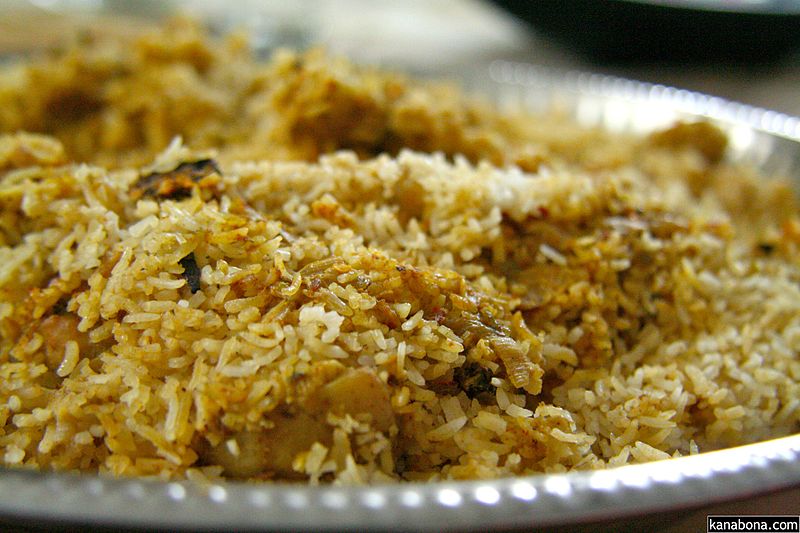
Biryani is a popular dish from Thalassery, the northernmost town in Kerala. It contains spices, dried nuts, and varied meat. It is usually eaten with curd (which has a cooling effect), pickled lime, and salad.
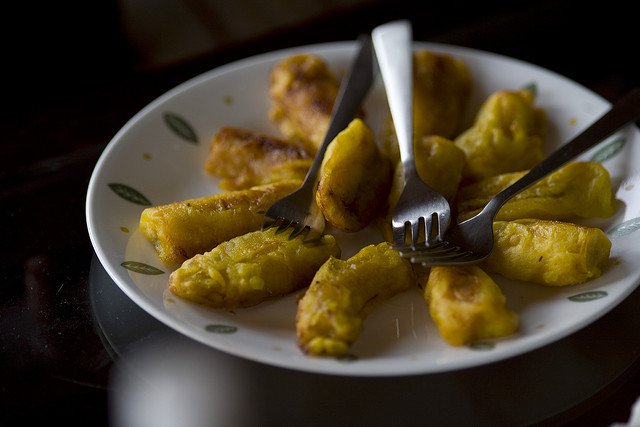
Banana fritters, known as pazhampori, are fried dough covered bananas. They are snacks typically eaten during tea time.
Organic Farming
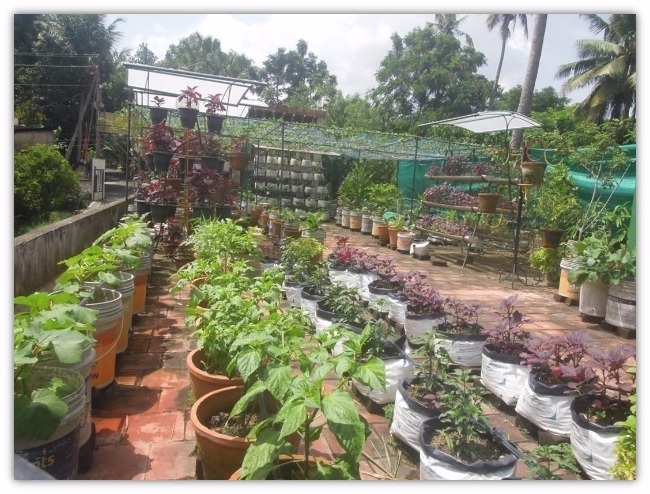
There is a plethora of agricultural produce in Kerala but over the years, there has been an increased amount of pesticide usage. Many Keralites are concerned of the implications of eating fruits and vegetables doused with chemicals. This served as the impetus for Kerala Agriculture University’s organic food movement. The movement drew attention and support from the government, various organizations, and the media. KAU is known for designing new ways for families to host their own organic gardens, regardless of space limitations.
Picture credits:
https://en.wikipedia.org/wiki/Puttu
https://theculturetrip.com/asia/india/articles/10-famous-snacks-from-kerala-worth-eating/
https://www.cookingandme.com/2011/08/30/vella-kozhukkattai-sweet-modak-vinayaka/
https://www.holidify.com/pages/food-of-kerala-1328.html
https://recipes.timesofindia.com/recipes/chicken-curry/rs58394256.cms
https://myheartbeets.com/instant-pot-avial/
https://www.happyandharried.com/2016/10/15/shrimp-coconut-curry-kerala-style-chemmeen-curry/
https://wtzupcity.com/kochi/eatout/mappila-kada
https://en.wikipedia.org/wiki/Sadhya
 International Classroom Connect